**“Are Winter Sports Neglected by Americans?”
Winter Exercise, Health, and Leisure at the Turn of the Twentieth Century**
At the turn of the twentieth century, Americans were already worrying about something that feels strikingly modern: were we moving enough?
In newspapers across the country, writers, educators, and gymnasium directors debated whether Americans were neglecting winter sports—and what that neglect might mean for public health, work habits, and modern life itself.
Two articles, published just a year apart, reveal both concern and optimism about how Americans spent their winters outdoors.
Boston Globe, October 7, 1906
Experts Weigh In on America’s Winter Habits
On Sunday, October 7, 1906, the Boston Globe posed a pointed question: Are winter sports neglected by Americans? To answer it, the paper consulted four prominent voices in physical education and athletic life.
Dr. Dudley A. Sargent — Harvard University
Dr. Dudley A. Sargent, Director of Hemenway Gymnasium at Harvard University, offered Americans a partial reprieve. New England winters, he argued, were “less settled” than those in Canada, where continuous cold weather made ice hockey, skating, curling, and other winter sports easier to sustain.
Still, Sargent worried that Americans had developed a “very bad habit of yielding to the sense of hurry,” a modern impulse that led people to omit proper and healthful exercise altogether. His solution was simple and practical: get outside—even suggesting winter bicycling as a way to stay active when conditions allowed.
John McGaw — The Caledonia Club of Boston
John McGaw of the Caledonia Club lamented that outdoor exercise had been practiced in the United States for only a comparatively short time. As a result, Americans had “not got around to the proper enjoyment of winter sports.”
Yet McGaw was hopeful. By the turn of the century, he noted with approval, it was now considered respectable—even admirable—for a businessman to take an afternoon during the winter to enjoy outdoor sport. Leisure, once suspect, was slowly becoming a mark of balance rather than idleness.
Professor Robert J. Roberts — YMCA Gymnasium
Professor Robert J. Roberts, Senior Director of the YMCA Gymnasium, warned that both young and old Americans were failing to make the most of winter’s opportunities “to get strong and stay so.”
He was particularly critical of “indoor dwellers,” arguing they were never as strong or vigorous as those who exercised outdoors. Indoor gyms, he believed, paled in comparison to nature’s open-air gymnasium. The first law of health, Roberts insisted, was to “breathe fresh air—the elixir of life.”
For him, the ideal winter sport was neither exotic nor expensive: a brisk walk outdoors—safe, easy, social, and profoundly beneficial. More demanding activities such as snowshoeing, skating, or long hill tramps could be fit into off-hours.
John Morrill — Sporting Clubs and Crowds
John Morrill took a more optimistic stance. Like Sargent, he believed Americans were not neglecting winter sports so much as lacking consistent conditions to enjoy them fully. Morrill observed growing enthusiasm among sporting clubs for curling, skating, hockey, skiing, and tobogganing. When weather permitted, large crowds eagerly gathered to participate.
Winter sports, he suggested, were waiting—ready to flourish when opportunity aligned with inclination.
Buffalo Times, March 12, 1905
Winter Sports in Full Swing at Cornell University
A year earlier, the Buffalo Times painted a far livelier picture of winter recreation.
On Sunday, March 12, 1905, winter sports at Cornell University were in full swing. The question of the day was not whether to exercise, but how: skiing, skating, tobogganing, or coasting?
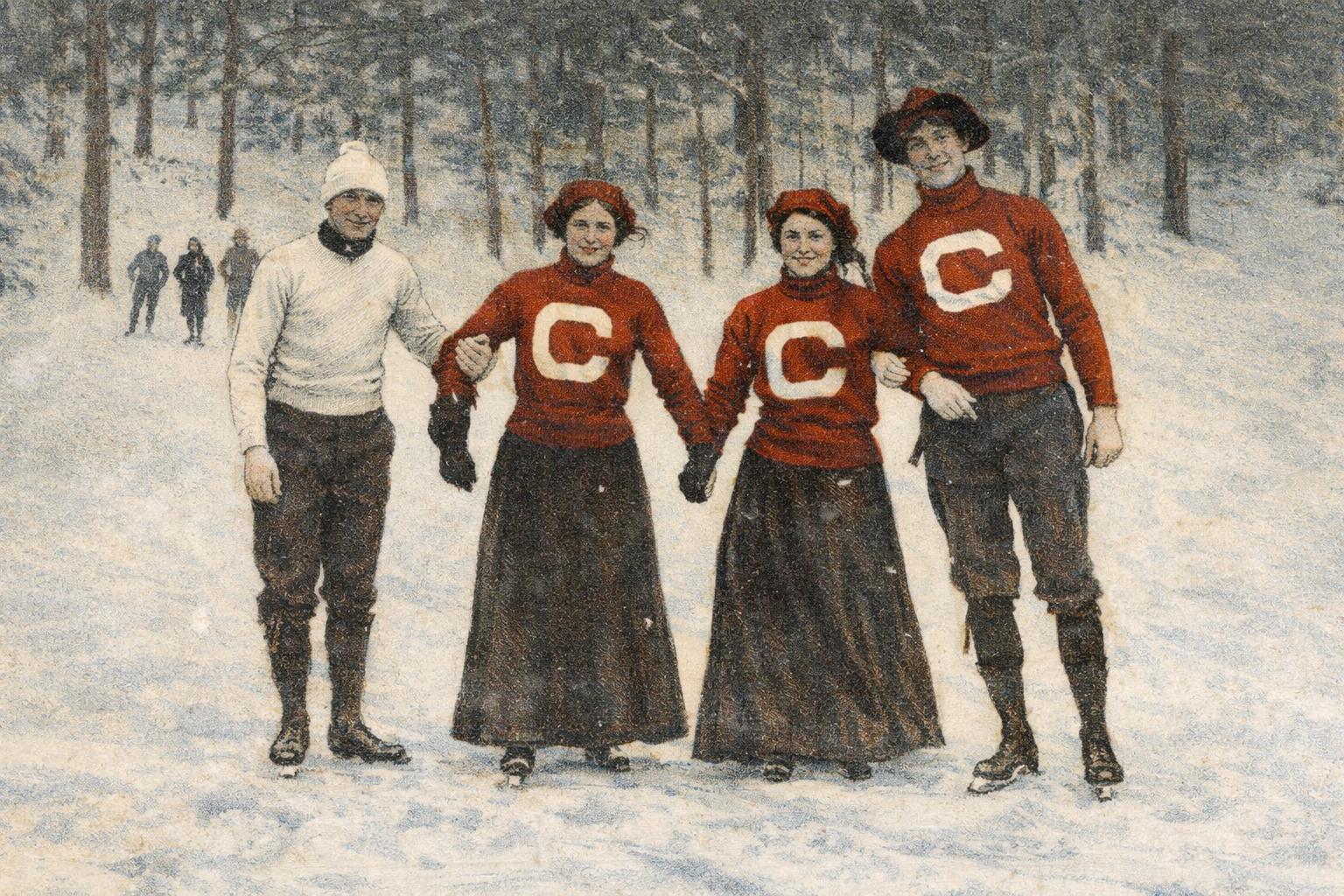
The hills and ponds surrounding Ithaca were ideal. Cayuga Lake and Beebe Lake were filled with skaters, hundreds thronging the ice daily. University women were reported to be “as proficient as the men,” and sections of the lake were fenced off specifically for hockey.
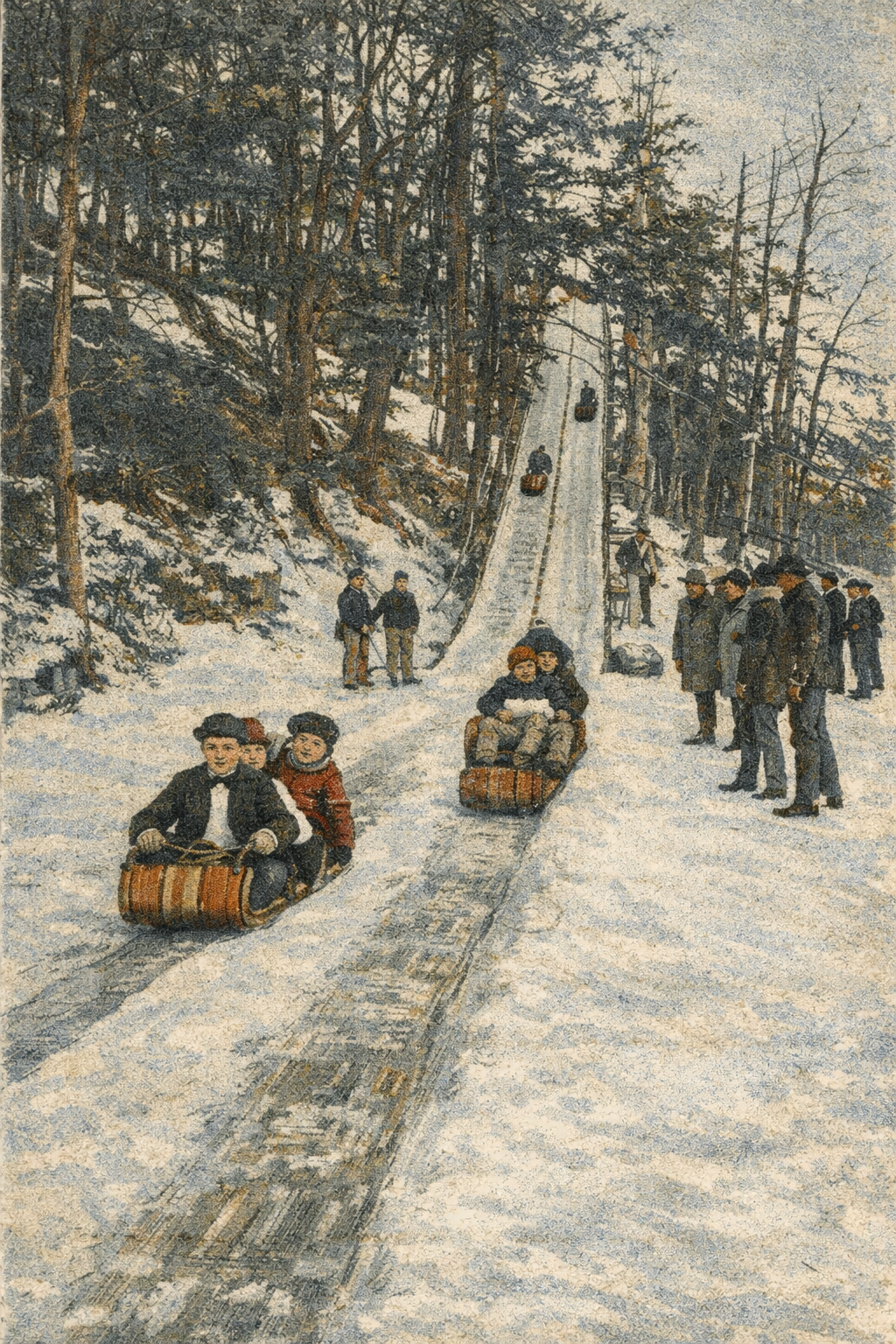
Nearly one thousand people turned out for tobogganing alone. Some participants, the paper noted, would “rather miss lunch” than give up an hour or two of downhill speed. A half-minute shoot dropping nearly a hundred feet, followed by a half-mile glide over smooth ice, then a brisk walk back uphill—only to repeat it all again—was said to “add life and health to every one.”
Why It Matters
These early twentieth-century reflections reveal a society grappling with the same tensions we recognize today: work versus leisure, indoor convenience versus outdoor vitality, and speed versus well-being.
Long before fitness trackers, gym memberships, or wellness influencers, Americans were already being warned about the dangers of hurry, sedentary habits, and life lived too much indoors. Winter—often blamed for inactivity—was instead presented as an opportunity: a season that invited movement, resilience, and shared joy.
In an era when fresh air was considered medicine and exercise a moral duty as well as a pleasure, these voices remind us that the pursuit of health has always been shaped by culture, climate, and choice.
Sources
Boston Globe, “Are Winter Sports Neglected by Americans?” October 7, 1906.
Expert commentary by Dr. Dudley A. Sargent (Harvard University), John McGaw (Caledonia Club of Boston), Professor Robert J. Roberts (YMCA Gymnasium), and John Morrill, discussing winter exercise, health, and leisure in the United States.Buffalo Times, “Winter Sports at Cornell,” March 12, 1905.
Coverage of winter recreation at Cornell University, including skating, hockey, skiing, tobogganing, and the participation of university women alongside men.
Image Citations
Image Source:
Winter Sports at Cornell University, Buffalo Times, March 12, 1905.
Original newspaper photographs documenting winter recreation at Cornell University, including skating, hockey, and tobogganing. Images have been gently colorized and artistically rendered in a lithographic style for clarity and presentation.