The Explosion That Nearly Changed the Presidency
In February 1844, a naval demonstration meant to showcase American innovation nearly ended in national tragedy.
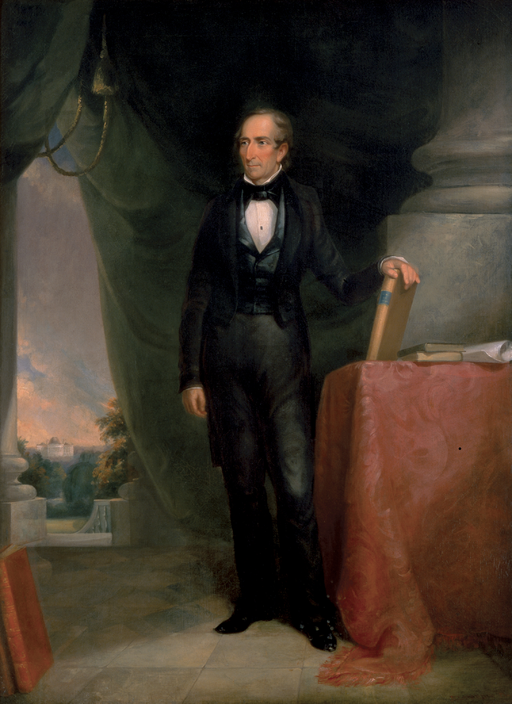
Aboard the U.S. Navy’s Princeton, President John Tyler and dozens of dignitaries gathered to witness the test firing of a massive new cannon called “The Peacemaker.”
When the gun exploded without warning, it killed several members of Tyler’s cabinet and narrowly missed the President himself.
As historian Christopher J. Leahy explains in his biography President Without a Party: The Life of John Tyler,
“The United States had come perilously close to having two presidents from the same election die while in office.”
Had Tyler perished that day, the Presidential Succession Act of 1792 would have determined who took his place.
That law specified that if both the president and vice president were unable to serve, the presidency would pass to the president pro tempore of the Senate.
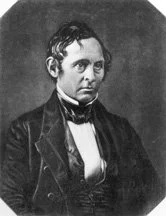
At the time, that position was held by Senator Willie P. Mangum of North Carolina — a prominent Whig and one of Tyler’s fiercest political rivals.
Mangum, unexpectedly, might have become America’s eleventh president, changing the nation’s course entirely.
Our Perspective
Tyler’s survival ensured that his own precedent — the one declaring that a vice president fully assumes the presidency upon a president’s death — remained intact.
The Princeton Explosion stands as a vivid reminder of how fragile history can be and how close the country came to rewriting its line of succession once again.
Image Caption:
Portrait of Senator Willie P. Mangum (Public Domain via Wikimedia Commons).
Portrait of President John Tyler, James Reid Lamdin, 1841 (Public Domain via Wikimedia Commons).
To read more on President John Tyler, click on the button below and order Christopher J. Leahy’s biography, President without a Party: The Life of John Tyler (LSU Press, 2020)
Explore More Stories
Visit historyintwovoices.com for more surprising moments where history came close to changing forever.
Follow History in Two Voices for new discoveries each month.