How the Death of William Henry Harrison Created the “Tyler Precedent”
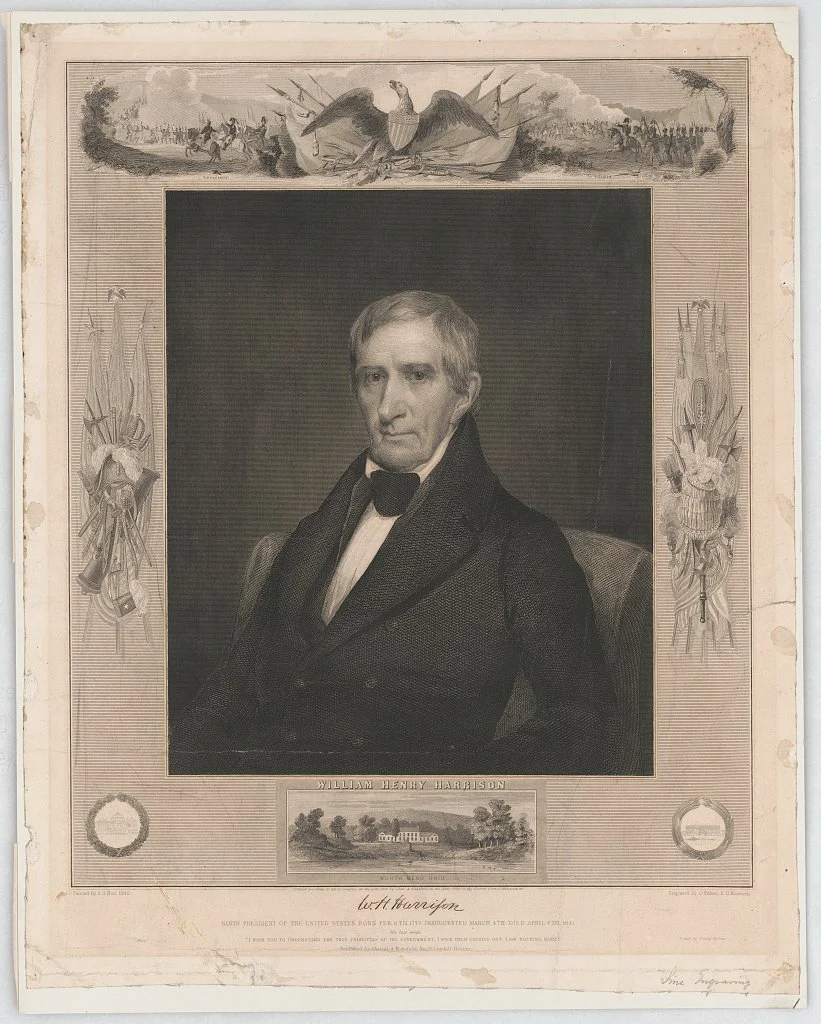
When William Henry Harrison died just one month after taking office in 1841, the nation faced an unexpected question of leadership. The Constitution said the vice president would “assume the powers and duties” of the office, but it didn’t clearly state whether he would become president.
John Tyler, Harrison’s vice president, believed there was no doubt. He quickly moved into the White House and took the presidential oath, declaring himself the nation’s new leader. Some members of Harrison’s cabinet were uncertain, suggesting that decisions should continue to be made by vote, as a group. Tyler firmly rejected that idea, reminding them that there could be only one executive voice. He added that if they disagreed, he would accept their resignations.
No one resigned. In that moment, Tyler established a standard that endured for more than a century: when the nation’s elected leader dies, the vice president fully becomes president.
This became known as the “Tyler Precedent,” and it remained an informal practice until it was formally written into law with the 25th Amendment in 1967.
For a deeper exploration of John Tyler’s life and legacy, see Chris Leahy’s biography, President Without a Party: The Life of John Tyler - an insightful look at a man whose decisions helped define the continuity of American leadership.
History in Two Voices celebrates the people and moments that continue to shape the nation’s story.