Bicentennial Tree Planting Across America: Growing a Nation’s Future
"I think that I shall never see a poem as lovely as a tree…" — Rudyard Kipling
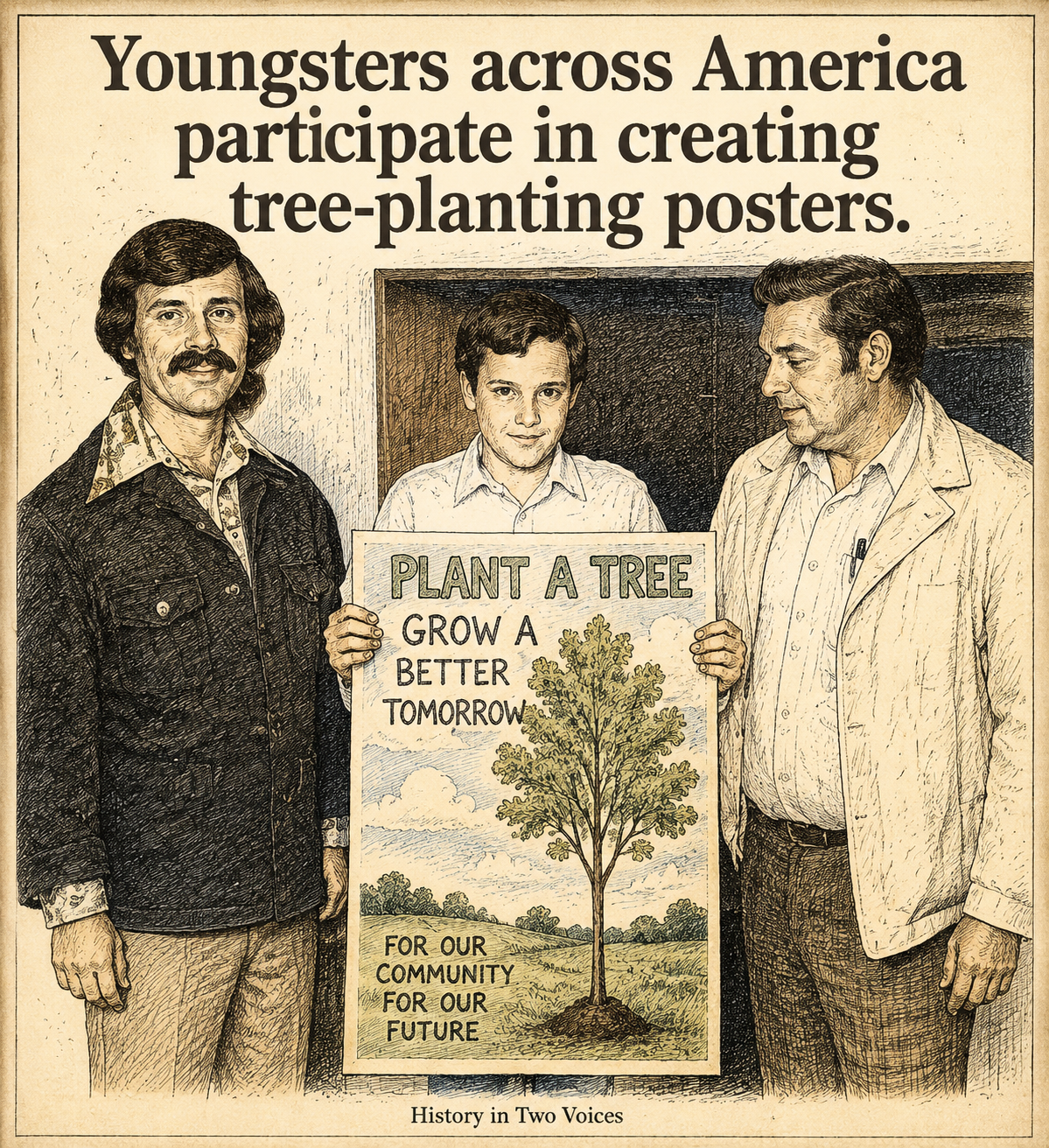

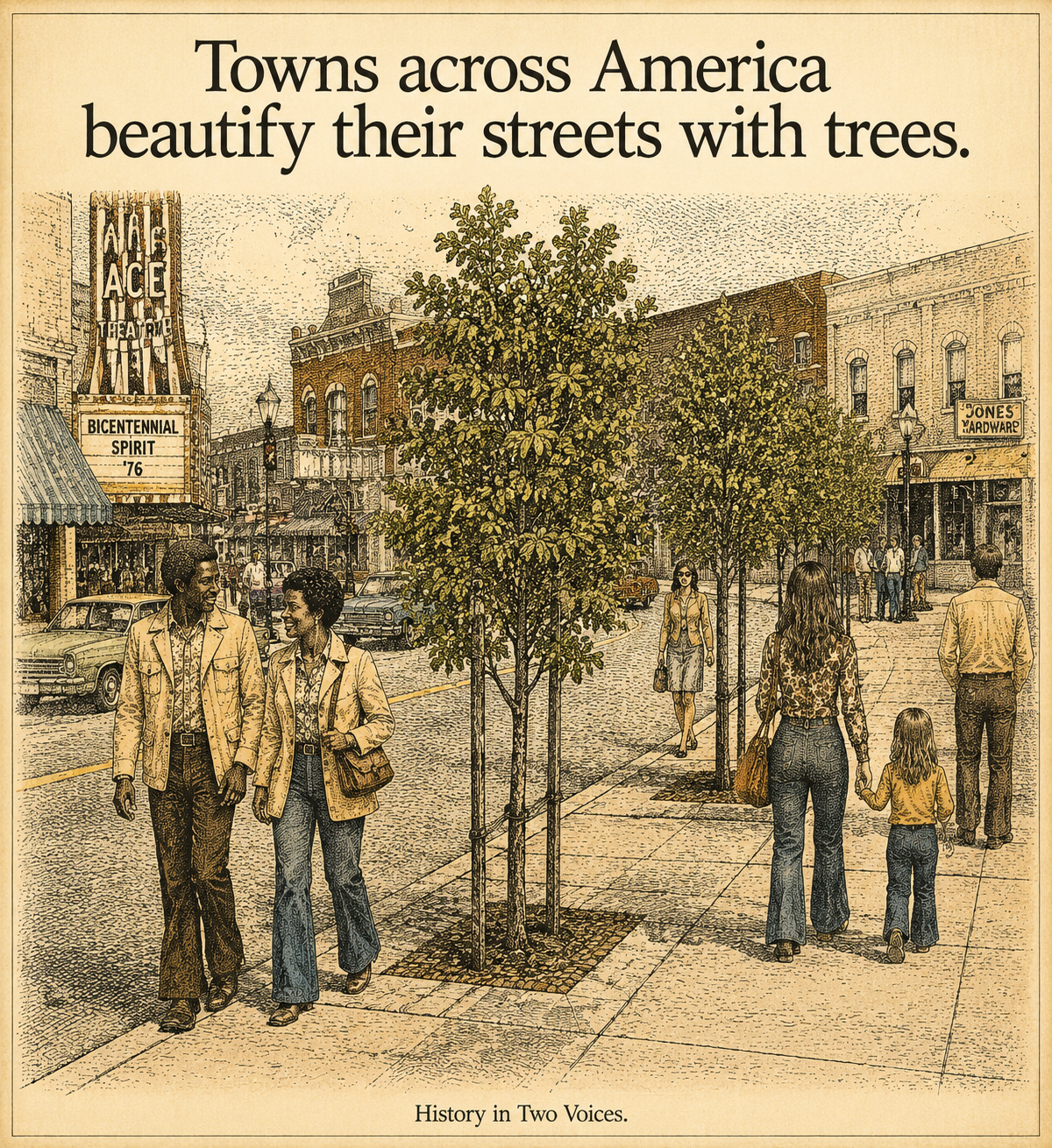
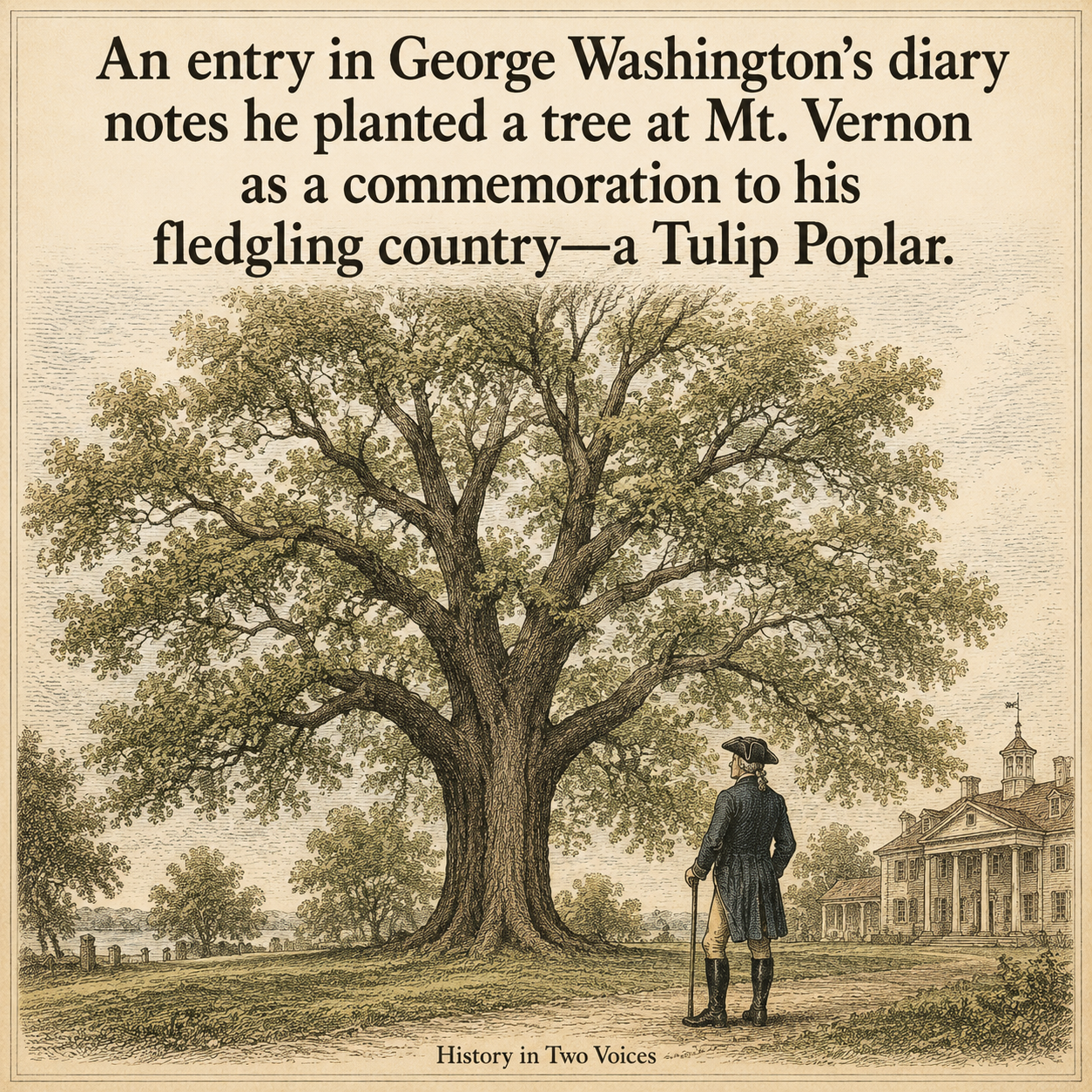
In 1976, as the United States celebrated its Bicentennial, Americans nationwide took part in a living commemoration: planting trees. The Marine Corps, in collaboration with federal agencies, schools, and civic organizations, developed a nationwide tree-planting program to inspire communities to preserve and renew the country’s natural beauty. This program encouraged participation from youngsters, civic groups, and social organizations, with the goal of both beautifying communities and fostering environmental stewardship.
Local Roots, National Vision
In Waterford, New York, for example, 41 trees—including oaks, lindens, locusts, and maples—were planted along Broad, Second, Third, and Sixth Streets. Local funding came from citizens and industry, demonstrating a shared commitment to civic beautification. The village chairman noted the multiple benefits: the trees helped reduce air and noise pollution and acted as natural air conditioners during the hot summer months.
Meanwhile, in California, the Oakland Tribune reported that nearly 47,000 elementary schools across the country were invited to participate in the Johnny Horizon Bicentennial tree-planting campaign. Highlighting a symbolic connection to the nation’s founding, oak seedlings grown from acorns collected at George Washington’s Mount Vernon home were to be presented to state governors.
A Collaborative Effort
The Bicentennial tree-planting initiative was a true partnership across civic, educational, and governmental organizations. Among those involved were Johnny Horizon, My Weekly Reader, the National Recreation & Parks Association, the American Association of Nurserymen, the General Federation of Women’s Clubs, Men’s Garden Clubs of America, the National Governors Conference, 4-H, the Homemakers Extension Service of the U.S. Agricultural Department, and bureaus of the U.S. Interior Department.
Schools also engaged in a nationwide Plant-A-Tree poster and slogan contest. Winners, along with their teachers and parents, were treated to a two-day visit to Washington, D.C., hosted by the American Nurserymen, where they participated in tree-planting ceremonies, connecting children directly to the national celebration.
Our Perspective
The Bicentennial tree-planting program reminds us that acts of civic engagement and environmental stewardship can leave lasting legacies. Beyond their aesthetic value, the trees improved local ecology, reduced pollution, and fostered community pride. This initiative also reflects a broader American tradition: using national milestones not only to celebrate history but to invest in a sustainable future. By connecting children, communities, and state leadership, the program planted more than trees—it planted values, stewardship, and civic awareness that could grow for generations.
Sources
West Central Tribune, Willmar, MN, August 3, 1976
The Times Record, Troy, NY, April 22, 1976
Oakland Tribune, Oakland, CA, March 6, 1976
Images
Leahy, Sharon. Image concept and direction. AI-assisted illustration generated using digital tools, 2026. Inspired by Rocky Mount Telegram, March 27, 1976.
Leahy, Sharon. Image concept and direction. AI-assisted illustration generated using digital tools, 2026. Inspired by Washington Missourian, December 1, 1976.
Leahy, Sharon. Image concept and direction. AI-assisted illustration generated using digital tools, 2026. Inspired by Hammond Vindicator, Hammond, LA, January 22, 1976.
Leahy, Sharon. Image concept and direction. AI-assisted illustration generated using digital tools, 2026. Inspired by Shreveport Journal, September 23, 1976.
Leahy, Sharon. Image concept and direction. AI-assisted illustration generated using digital tools, 2026. Inspired by Morning Star, Rockford, IL, June 18, 1976.