Historians of the American Revolution
Early Narratives of the Revolutionary Past
Chronicles of the American Revolution appeared soon after the war that won the nation’s independence. These works became the first drafts of the history of the Revolution, and they prompted an interest in the founding that has lasted now for nearly 250 years.
Interpreting the Revolution: Ramsay and Warren
David Ramsay, who detailed the course of the war in South Carolina in an earlier book, published his ambitious The History of the American Revolution in 1789, the same year George Washington took the oath of office as the first president of the United States. Mercy Otis Warren published her three-volume History of the Rise, Progress and Termination of the American Revolution in 1805, a scholarly accomplishment that all but ended her friendship with the ever-touchy John Adams, who felt she had slighted his seminal role in the American Revolution. William C.
Recovering Overlooked Patriots: William C. Nell
Nell’s primary research included pension records of Revolutionary War veterans, as well as first-hand accounts of patriots who had played prominent roles in the war, including Peter Salem and James Forten. Salem, who took part in the Battle of Bunker Hill on June 17, 1775, and his exploits brought him to the attention of General Washington. Forten, who served as a fourteen-year-old powder boy under Commander Stephen Decatur on board the “Royal Louis,” took part in the sea-battle victory over the British vessel the “Lawrence” in 1780. After the Revolution, Forten earned a fortune manufacturing sails for ships.
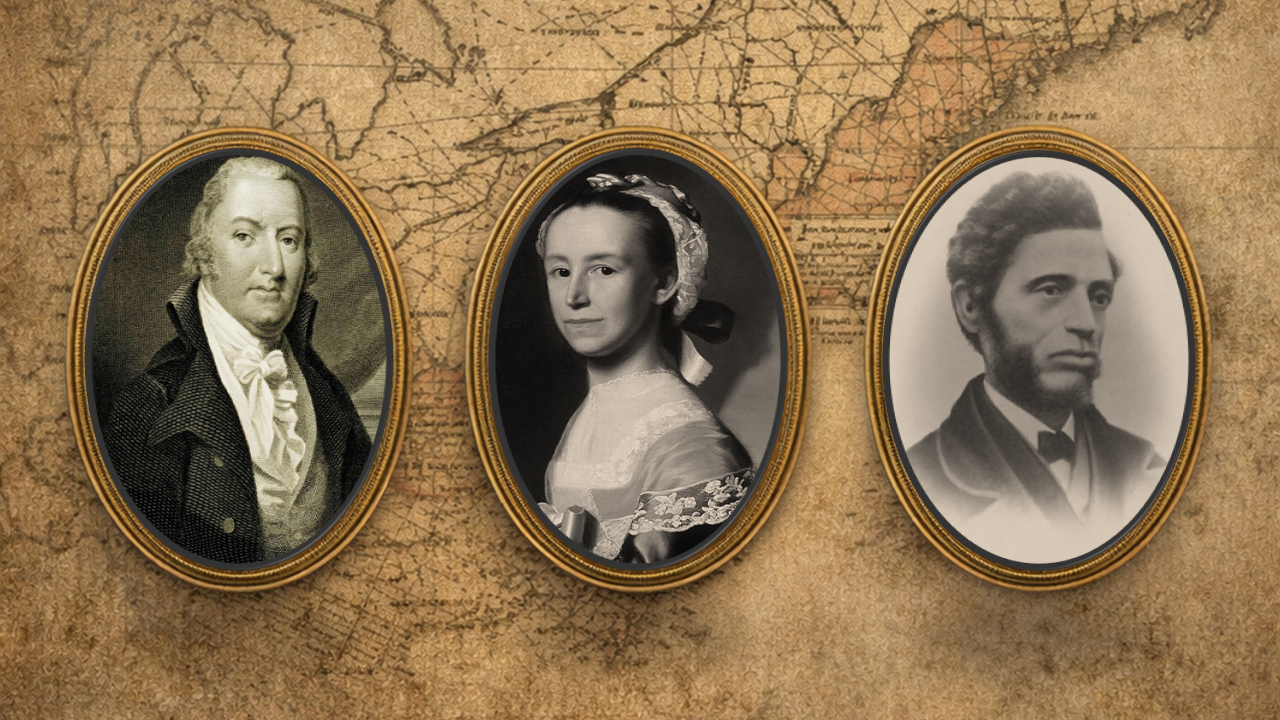
The work of these three historians reflected different approaches to the Revolution. Ramsay focused most of his attention on the political aspects of the struggle to win American independence. He was also interested in the ideology of republicanism that animated the leaders of the Revolution. Warren, for her part, was primarily interested in how patriot leaders demonstrated the civic virtue that prompted their resistance to British tyranny and shaped their understanding of what the nation required to secure an independent republic and keep it.
History from the Bottom Up
Nell, who published his The Colored Patriots of the American Revolution in 1855, wrote about the war itself and highlighted revolutionaries who had been largely neglected before. His work represented the first example of what today’s historians call “history from the bottom up”—scholarship that shifts the lens away from political and military leaders and instead calls attention to ordinary men and women who shaped our nation’s past.
Why It Matters
The efforts of Ramsay, Warren, and Nell show that the way history is written depends on the questions scholars ask and the perspectives they choose in shaping their accounts of the past. Not all historians explain the American Revolution in the same way, but understanding the most significant event in American history requires an appreciation of the varied approaches scholars bring to their subjects.
Source
Woody Holton, Black Americans in the Revolutionary Era: A Brief History with Documents (Boston: Bedford/St. Martin’s, 2009).
Image Sources
Colonial map of British North America, Library of Congress.
Portraits of David Ramsay, Mercy Otis Warren, and William Cooper Nell courtesy of the Library of Congress and National Portrait Gallery. All images are in the public domain.