Thrilling Rescue by Walter Robinson—Carnegie Medal for Bravery, 1915
Introduction
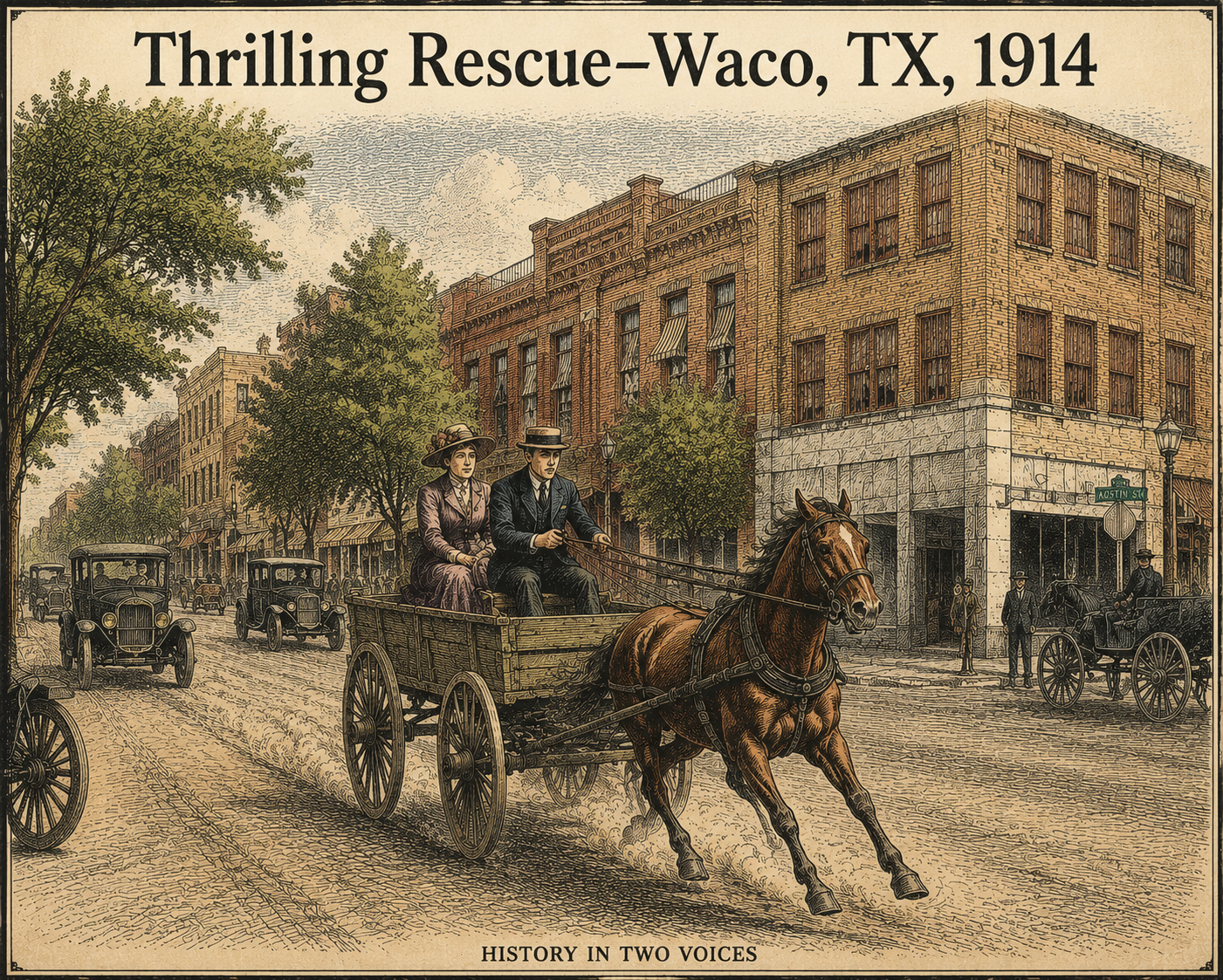
On a crowded October afternoon in 1915, a routine trip through downtown Waco, Texas turned into a life-threatening emergency when a horse-drawn wagon suddenly lost control. In the middle of the chaos stood a civilian witness to the unfolding danger—an automobile chauffeur named Walter “Doll” Robinson—whose split-second decision would save two lives and earn him national recognition from the Carnegie Hero Fund.
A Routine Ride Turns Dangerous
On October 9, 1915, Charles Betros and his mother, Mary, were traveling through the busy streets of Waco atop a horse-drawn wagon, weaving their wagon through the many automobiles also traveling the same route. Unexpectedly their horse “became unmanageable and started to run” into the heavy traffic near Austin Street.
As the animal broke into a full gallop, the wagon veered dangerously toward one of the city’s most congested intersections. Betros struggled desperately to control the horse, but the animal surged forward, outpacing every effort to rein it in.
Bystanders rushed into the street in an attempt to stop the runaway, waving their arms in hopes of slowing the horse’s charge. One by one, they were forced to leap out of harm’s way as the animal thundered past.
Walter Robinson Steps Into the Path of Disaster
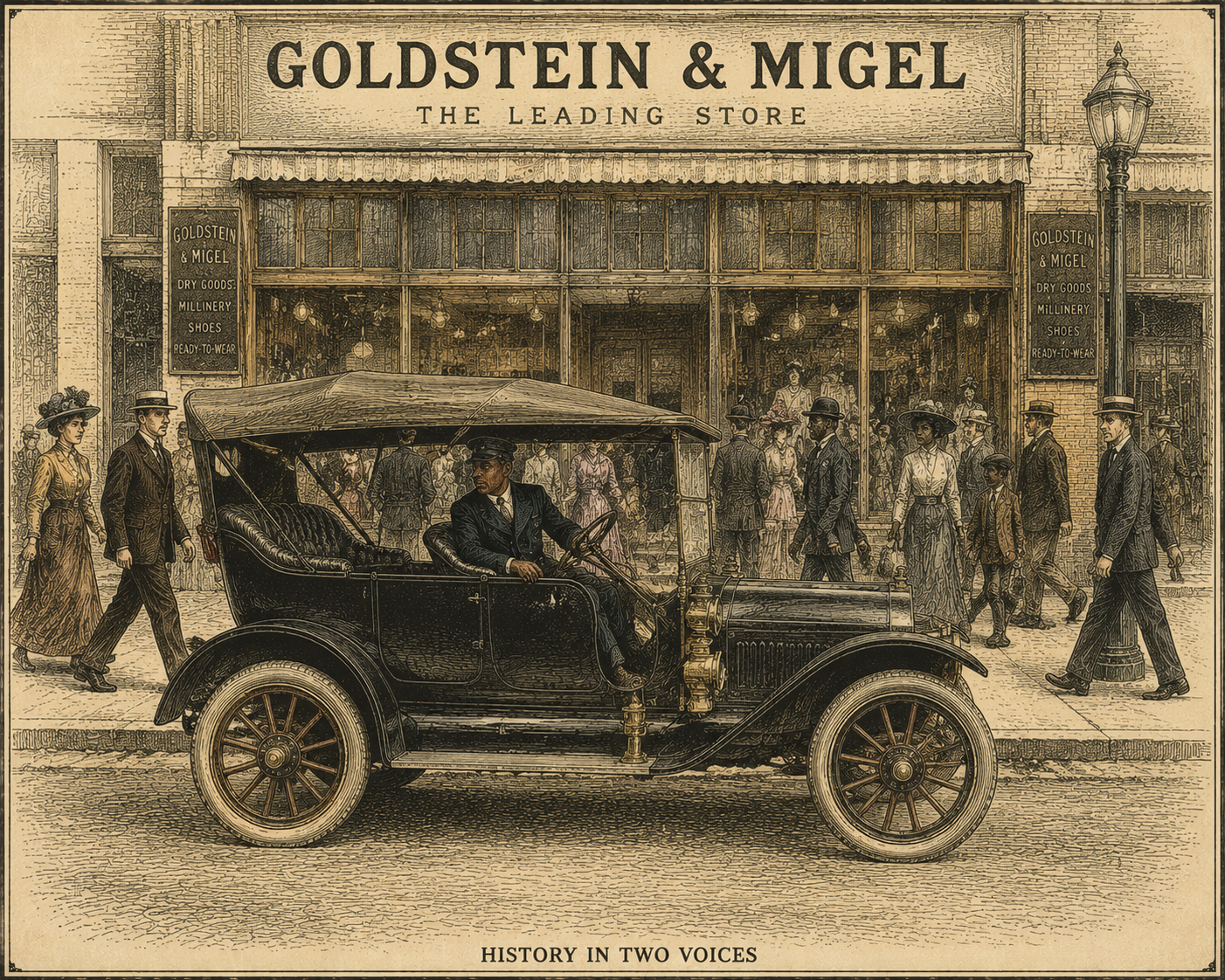
Forty-eight-year-old Walter “Doll” Robinson was sitting in his automobile parked along 6th Street, observing the flow of afternoon traffic. From his vantage point, he suddenly saw the wagon hurtling toward Austin Street, completely out of control.
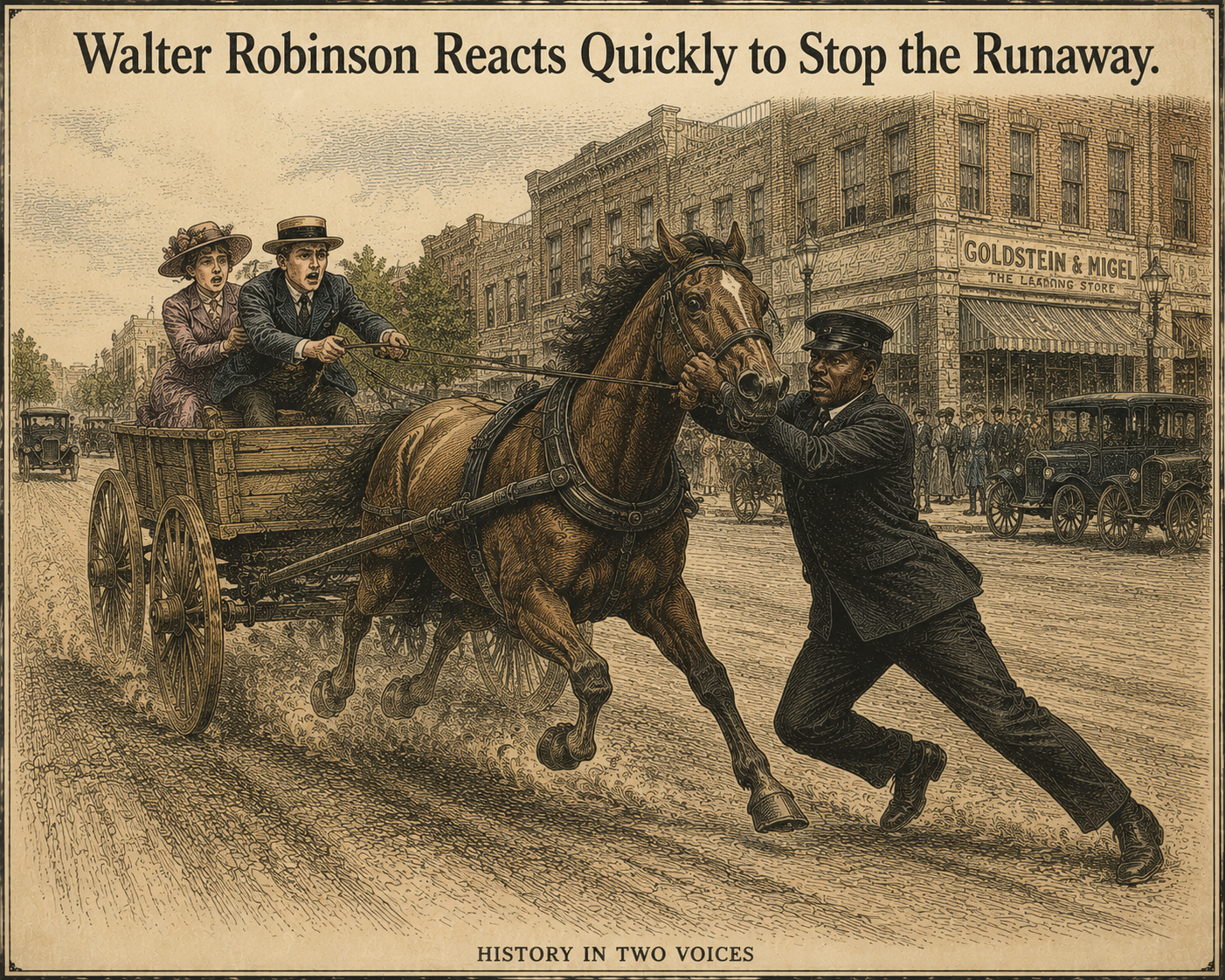
Without hesitation, Robinson leapt from his car and ran directly into the path of the oncoming horse. As the wagon passed, he managed to “swing onto the horse’s bridle as it dashed by.”
The impact was immediate and jarring. Robinson was dragged nearly seventy-five feet, repeatedly losing and regaining his footing as he fought to maintain his grip. Using sheer body weight and determination, he gradually slowed the runaway horse.
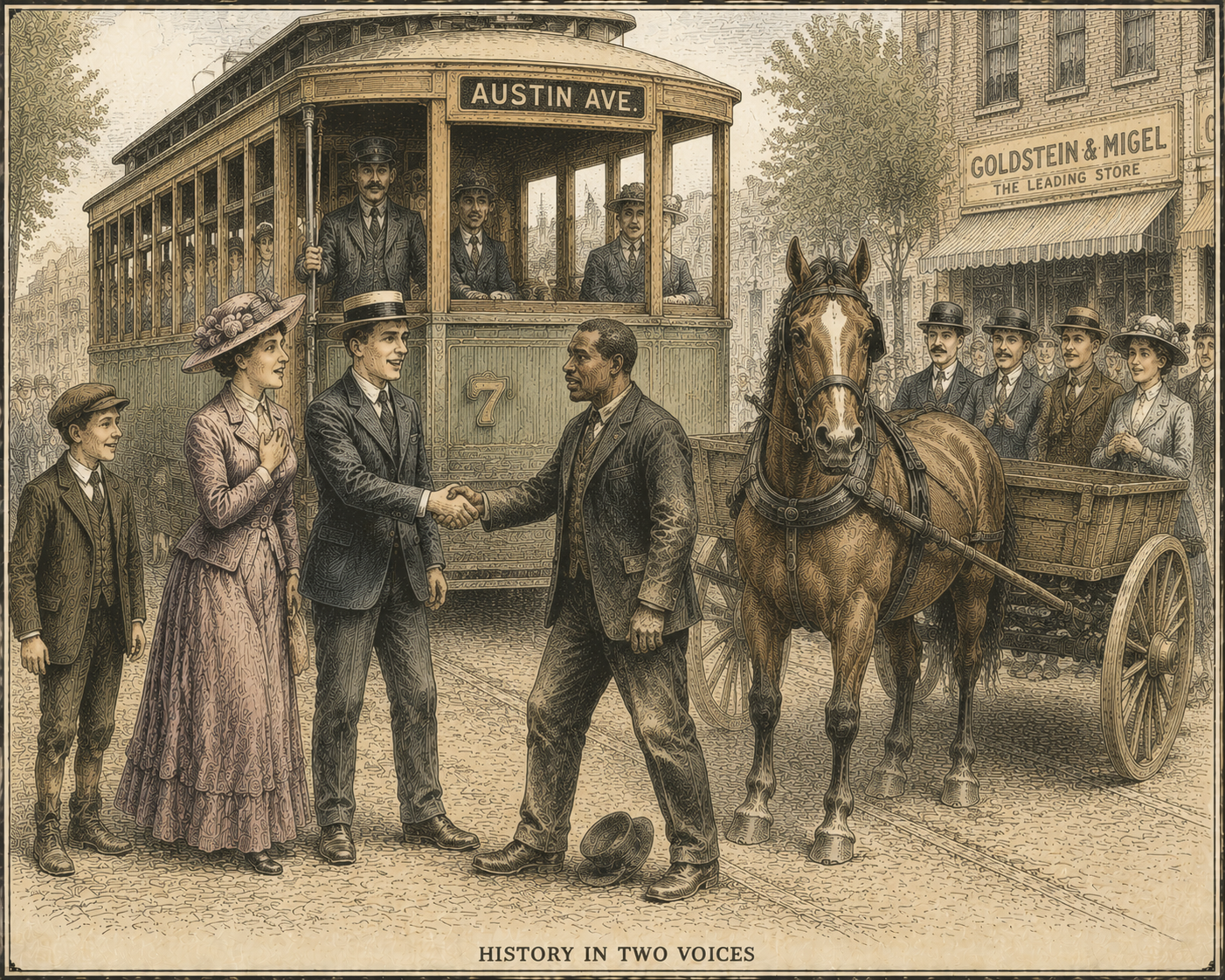
At last, just feet away from a streetcar filled with passengers, the exhausted animal came to a stop.
A Quiet Hero in the Aftermath
Once the danger had passed, Robinson’s response was remarkably subdued. While onlookers praised him as a hero, he brushed off the attention, reportedly wiping his brow and returning calmly to his automobile as if nothing extraordinary had occurred.
Yet his actions had prevented what could have been a devastating multi-victim accident in the heart of downtown Waco.
Carnegie Hero Recognition
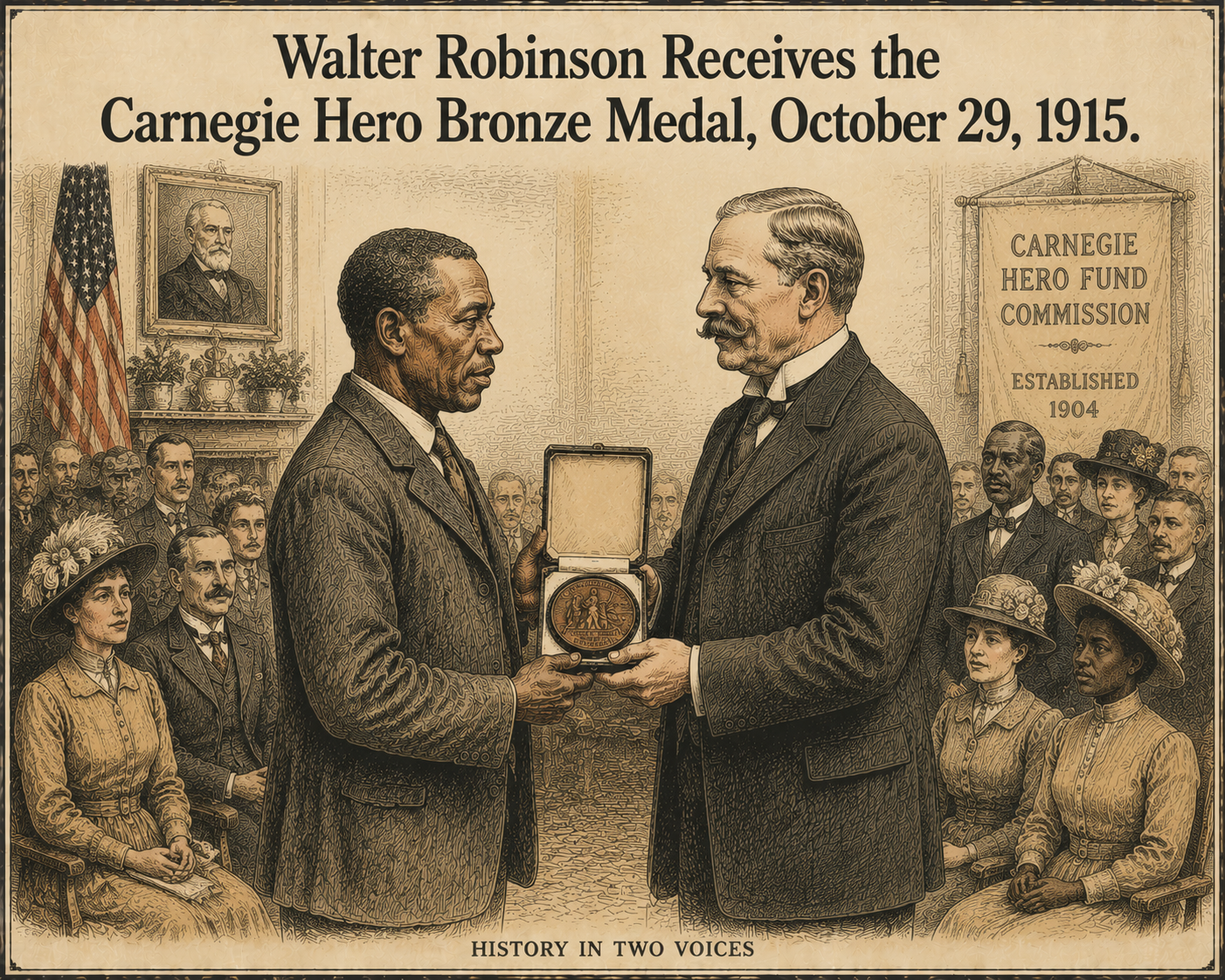
For his courage and selfless intervention, Walter Robinson was awarded the Carnegie Bronze Medal for Bravery in October 1915 by the Carnegie Hero Fund Commission. The honor recognized civilians who risked their own lives to save others, placing Robinson among a distinguished group of early 20th-century American heroes.
To learn more about the Carnegie Hero Award, visit: https://www.carnegiehero.org/
Our Perspective
Stories like Walter Robinson’s highlight the everyday bravery that often goes unrecognized in historical narratives. In an era before modern traffic controls and emergency systems, urban accidents involving horses and automobiles could escalate rapidly into tragedy.
Robinson’s instinctive action reflects a broader pattern in early American urban life—where ordinary citizens frequently became first responders in moments of crisis. His story also underscores the Carnegie Hero Fund’s mission to honor civilian courage, preserving accounts of self-sacrifice that might otherwise be forgotten.
Sources
Waco Times Herald, October 10, 1914
Waco News-Tribune, October 30, 1915
Chattanooga Daily Times, October 30, 1915
Images
Leahy, Sharon. Image concept and direction. AI-assisted illustration generated using digital tools, 2026. Inspired by Wikimedia Commons photograph of historic downtown Waco, Texas.
Leahy, Sharon. Image concept and direction. AI-assisted illustration generated using digital tools, 2026. Inspired by historical accounts from the Waco Times Herald (October 10, 1914) and Waco News-Tribune (October 30, 1915).
Leahy, Sharon. Image concept and direction. AI-assisted illustration generated using digital tools, 2026. Inspired by records of the Carnegie Hero Fund Commission awarding Walter Robinson the Bronze Medal for Bravery in 1915.