The Greatest Celebrity Tour in American History
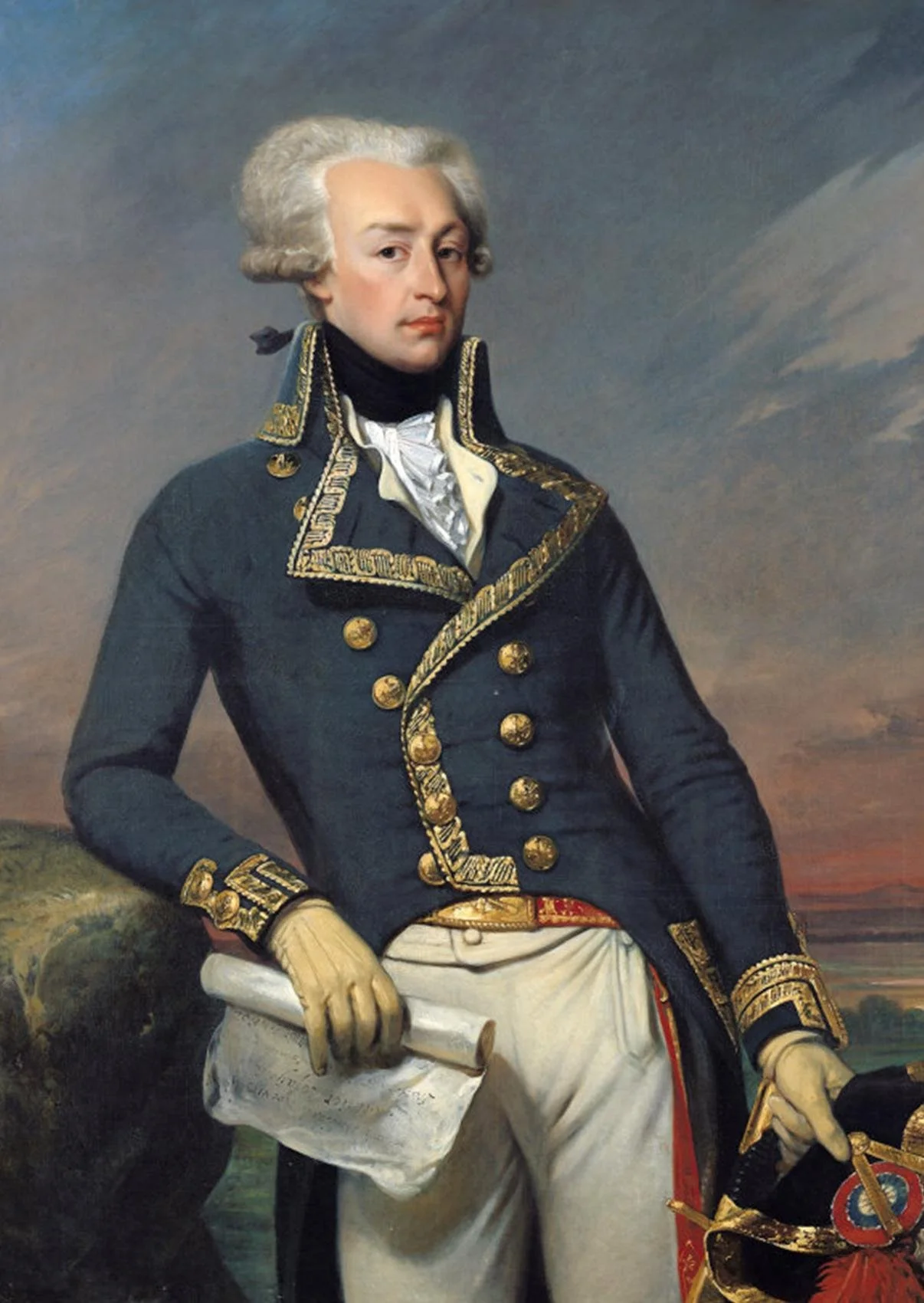
Why Millions Celebrated Lafayette's Return in 1824-1825
A Revolutionary Hero Returns
In August 1824, a very special visitor arrived in the United States.
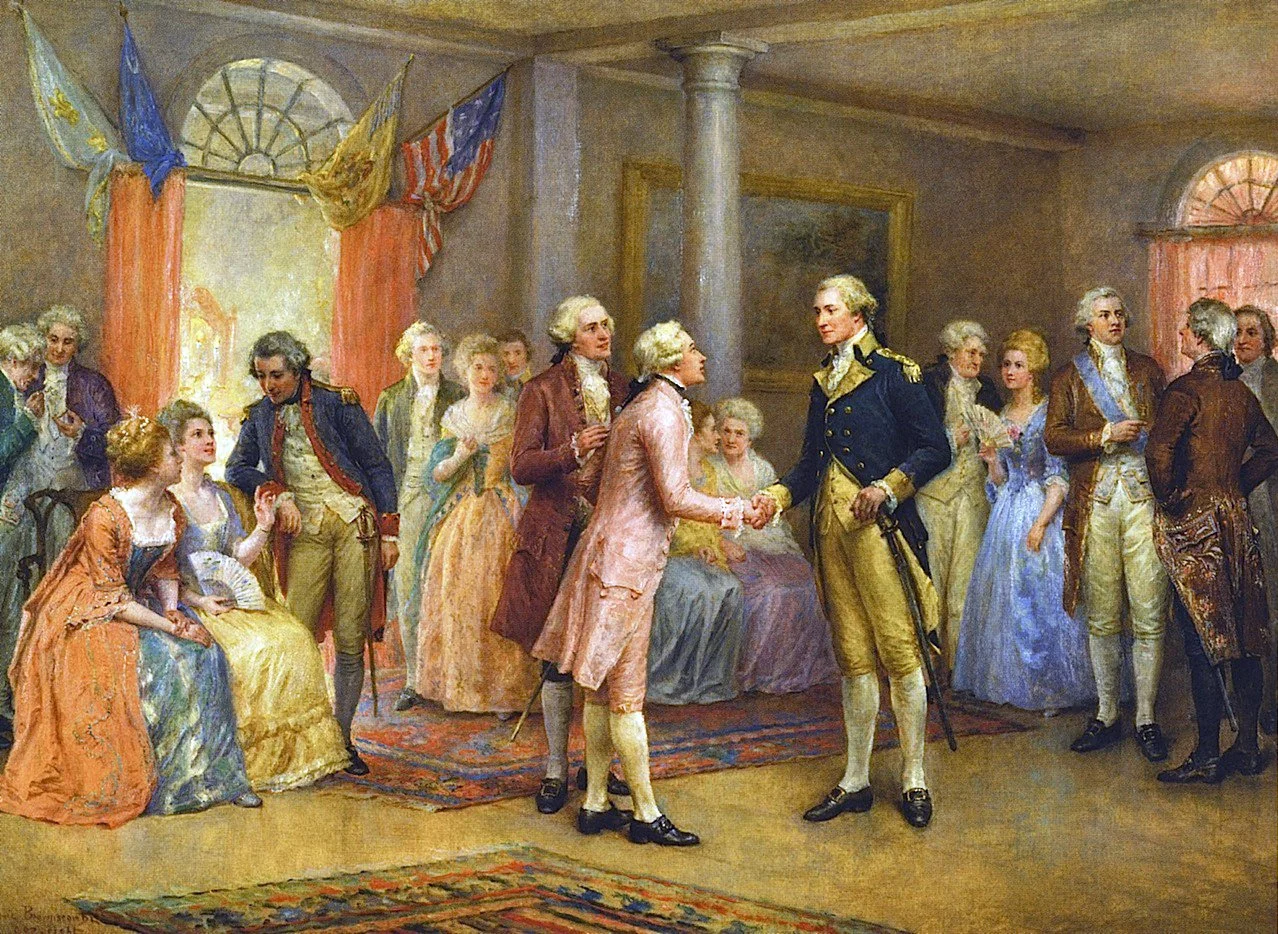
The man had been in America before. He first arrived in June 1777 and spent much of the Revolutionary War fighting for American independence. He had been wounded in battle. As a major general, he helped George Washington secure victory over Lord Cornwallis at Yorktown, effectively ending the war. Along the way, he forged a close personal bond with Washington and became what one historian has called the nation's first president's "adopted son."
Nearly fifty years later, the United States that welcomed him back was a very different nation.
A New Nation Emerges
The country now stretched across twenty-four states and had begun to assert itself on the international stage. Americans had successfully weathered a second war with Great Britain less than a decade earlier and had extended their reach across much of the North American continent.
The visitor was astonished by what he saw.
That visitor was Gilbert du Motier, the Marquis de Lafayette—the French hero of the American Revolution and the living embodiment of the Franco-American alliance that helped secure American independence.
Lafayette, just one month shy of his sixty-seventh birthday, envisioned only a brief return to the United States.
The American people had other plans.
The Nation's Guest
What followed was nothing short of extraordinary.
Lafayette remained in the United States for thirteen months and traveled approximately 6,000 miles, visiting every state in the Union. Everywhere he went, enormous crowds gathered to greet him. Americans welcomed the aging Revolutionary hero with an enthusiasm rarely seen before or since.
Militia companies fired cannon salutes. Bands played patriotic airs. Cities organized elaborate celebrations. Even small, remote communities insisted on receiving the distinguished visitor. The residents of Waterloo, New York, for example, proudly welcomed Lafayette, grateful that the Revolutionary hero had taken the time to visit their community.
Americans celebrated Lafayette not merely as a foreign dignitary, but as one of their own.
Lafayette Mania Sweeps the Nation
The excitement surrounding Lafayette's visit soon became a national phenomenon.
In Philadelphia, the birthplace of American independence, entrepreneurs eagerly capitalized on the public's fascination with their honored guest. One resident later recalled that "his name was applied to every thing." Americans purchased Lafayette hats, Lafayette coats, Lafayette breeches, and Lafayette gloves.
Merchants sold commemorative items. Communities renamed streets and public spaces in his honor. Children were named after him. Newspapers covered his every movement.
By modern standards, Lafayette's journey resembled a nationwide celebrity tour—perhaps the greatest in American history.
From the White House to Monticello
Eventually, Lafayette made his way to Washington, DC, where he called upon President James Monroe, himself a veteran of the Revolutionary War, at the White House.
Lafayette's stay in the United States proved so lengthy that he remained long enough to greet Monroe's successor, John Quincy Adams, at the executive mansion as well.
His itinerary also included visits with several of the nation's founding generation. Lafayette spent cherished time with Thomas Jefferson at Monticello and later visited James Madison and former First Lady Dolley Madison at Montpelier.
In another historic first, Lafayette became the first foreign dignitary to address a joint session of Congress.
His journey allowed Americans across the nation to reconnect with a living symbol of their Revolutionary past.
Liberty's Lessons
Lafayette departed the United States in September 1825 and returned to a France in political turmoil.
While he had been away, King Louis XVIII had died. His successor, Charles X, soon revealed his determination to strengthen Bourbon authority and curtail many of the liberties that Lafayette held dear.
The Revolutionary hero who returned to France was profoundly shaped by his experiences in America.
Nurtured by the natural-rights philosophy expressed in the Declaration of Independence and influenced by George Washington during the Revolutionary era, Lafayette became an outspoken advocate for civil liberties in his native country. His return to the United States only reinforced those commitments.
The relationship between Lafayette and America had always been a two-way street. He helped secure American independence, but America, in turn, helped shape Lafayette's enduring dedication to liberty.
A Lasting Legacy
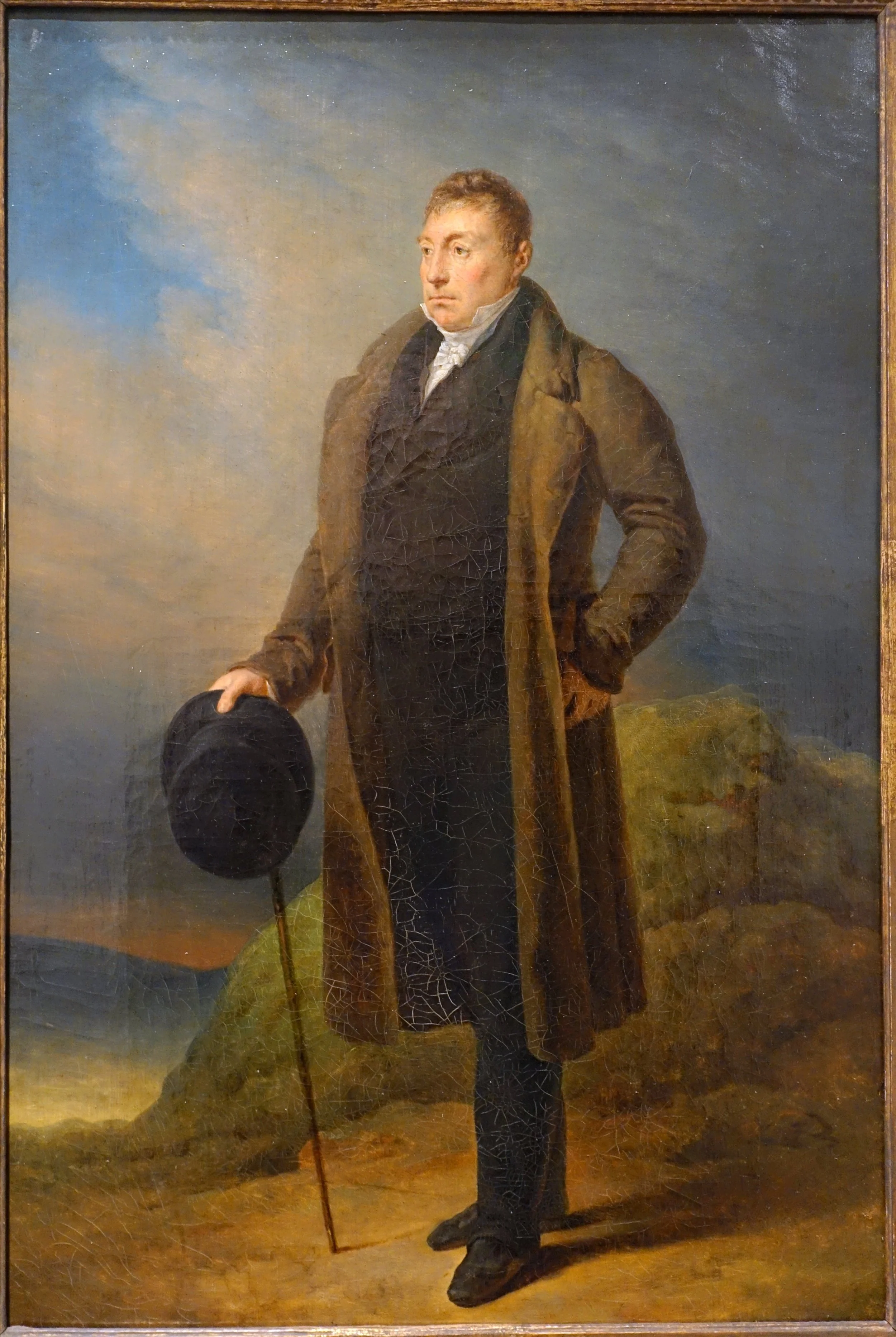
Today, a large portrait of Lafayette hangs in the chamber of the United States House of Representatives. Completed by artist Ary Scheffer in early 1825, the painting commemorates both Lafayette's service during the American Revolution and his celebrated return visit.
The portrait serves as a lasting reminder of a remarkable friendship between a French aristocrat and an American republic—a friendship that changed both forever.
For thirteen unforgettable months, Americans welcomed Lafayette not simply as a guest, but as a hero coming home.
Sources
Clary, David A. Adopted Son: Washington, Lafayette, and the Friendship that Saved the Revolution. New York: Bantam Books, 2007.
Cole, Ryan L. The Last Adieu: Lafayette's Triumphant Return, the Echoes of Revolution, and the Gratitude of the Republic. Nashville: Harper Horizon, 2025.
"‘As Large as Life’: Lafayette's Portrait." United States House of Representatives: History, Art & Archives. Accessed June 30, 2026. https://history.house.gov/Blog/2013/February/2-18-Lafayette-Portrait/
Images
Image 1 (Young Lafayette Portrait)
Image Credit:
Gilbert du Motier, Marquis de Lafayette, oil on canvas by Joseph-Désiré Court, c. 1834 (after an earlier portrait by Jean-Baptiste Weyler). Courtesy of Wikimedia Commons.
Image 2 (Washington Greeting Lafayette at Mount Vernon)
Image Credit:
Jennie Brownscombe, Washington Greeting Lafayette at Mount Vernon, 1784, ca. 1900. Courtesy of Wikimedia Commons.
Image 3 (Older Lafayette Portrait)
Image Credit:
Ary Scheffer, Marie-Joseph-Paul-Yves-Roch-Gilbert du Motier, Marquis de Lafayette, c. 1822, oil on canvas, Fogg Art Museum, Harvard University. Courtesy of Wikimedia Commons.