“That Voice Would’ve Haunted Me”: Farmer Risks His Life in a 42-Foot Well, 1952
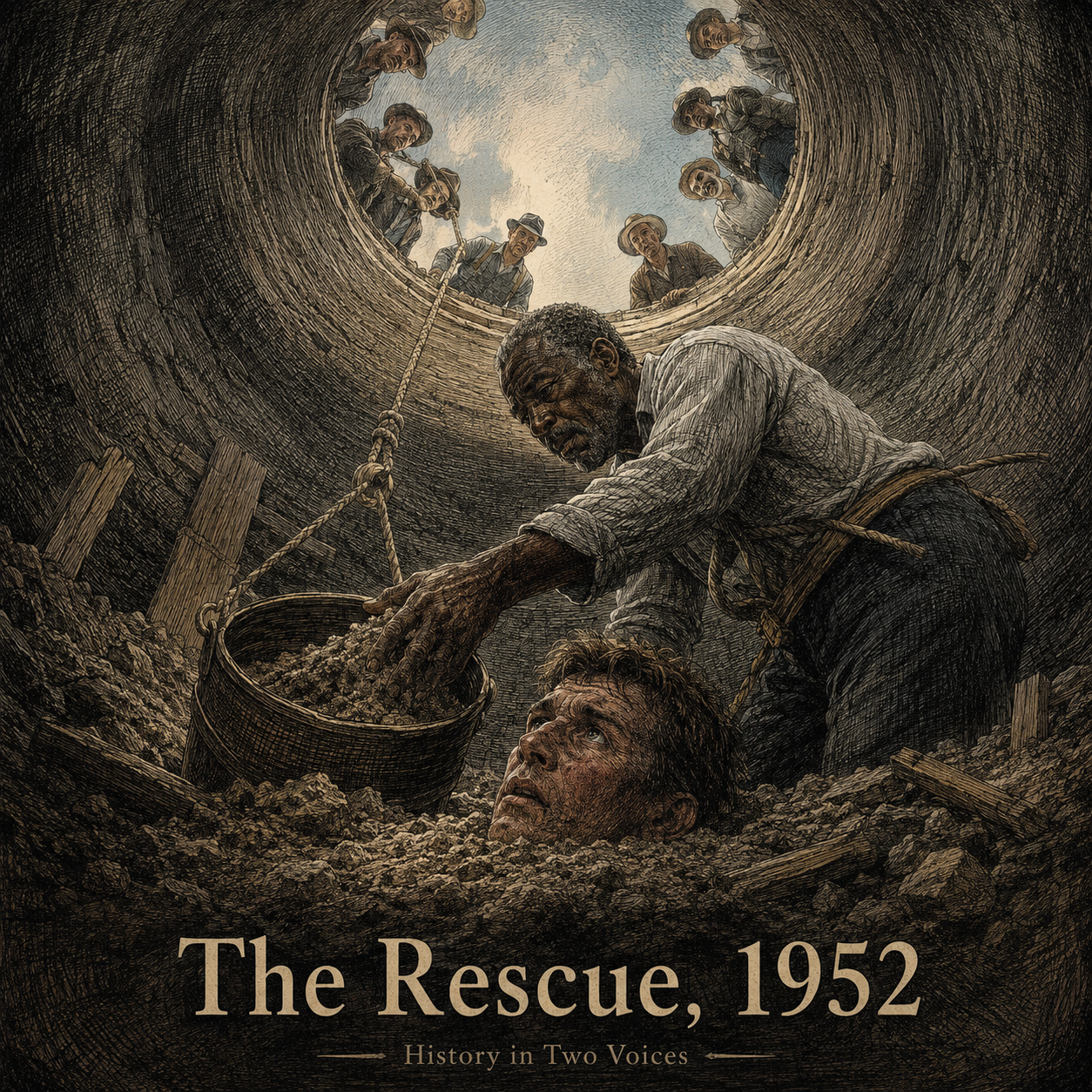
On January 24, 1952, sixty-seven-year-old Alabama farmer David Andrews risked his life to save thirty-four-year-old John F. Bell, who had been trapped in a forty-two-foot well in Hamburg, Wilcox County, after a cave-in.
The Rescue
Bell was buried beneath approximately ten feet of sand and cribbing at the bottom of the well. Although a “throng of persons” gathered at the scene, no one except Andrews was willing to go down into the well and attempt a rescue.
Andrews later explained that he could hear Bell speaking beneath the sand and debris, and he felt compelled to act:
“That voice would’ve spoke to me in the night for the rest of my life if I hadn’t tried to do something.”
Before beginning the rescue, Andrews prayed:
“Lord, able me to get that man out of there alive and not bring harm to myself.”
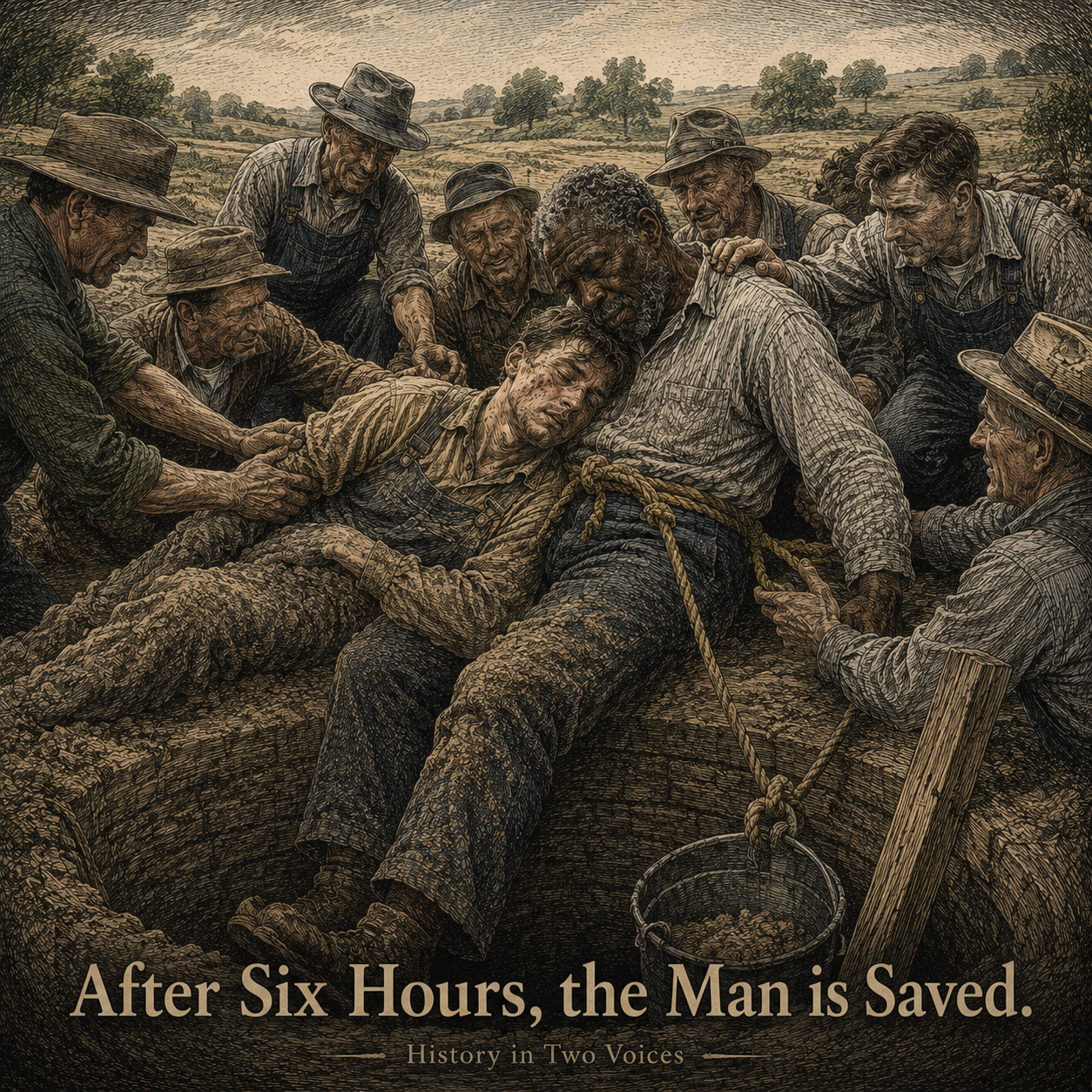
Once inside the well, Andrews dug with both hands to free Bell, loading bucket after bucket of sand to be hauled to the surface. Despite two additional cave-ins and the onset of darkness, Andrews worked for six hours before securing a rope around Bell’s waist so he could be pulled out alive.
After a brief hospital stay, Bell made a full recovery.
Andrews’s Reflection
Andrews credited his courage to faith, saying:
“The Almighty—Ain’t no man a hero by his own strength; it’s the Lord using a man’s frame when he does a brave work.”
Recognition and Honor
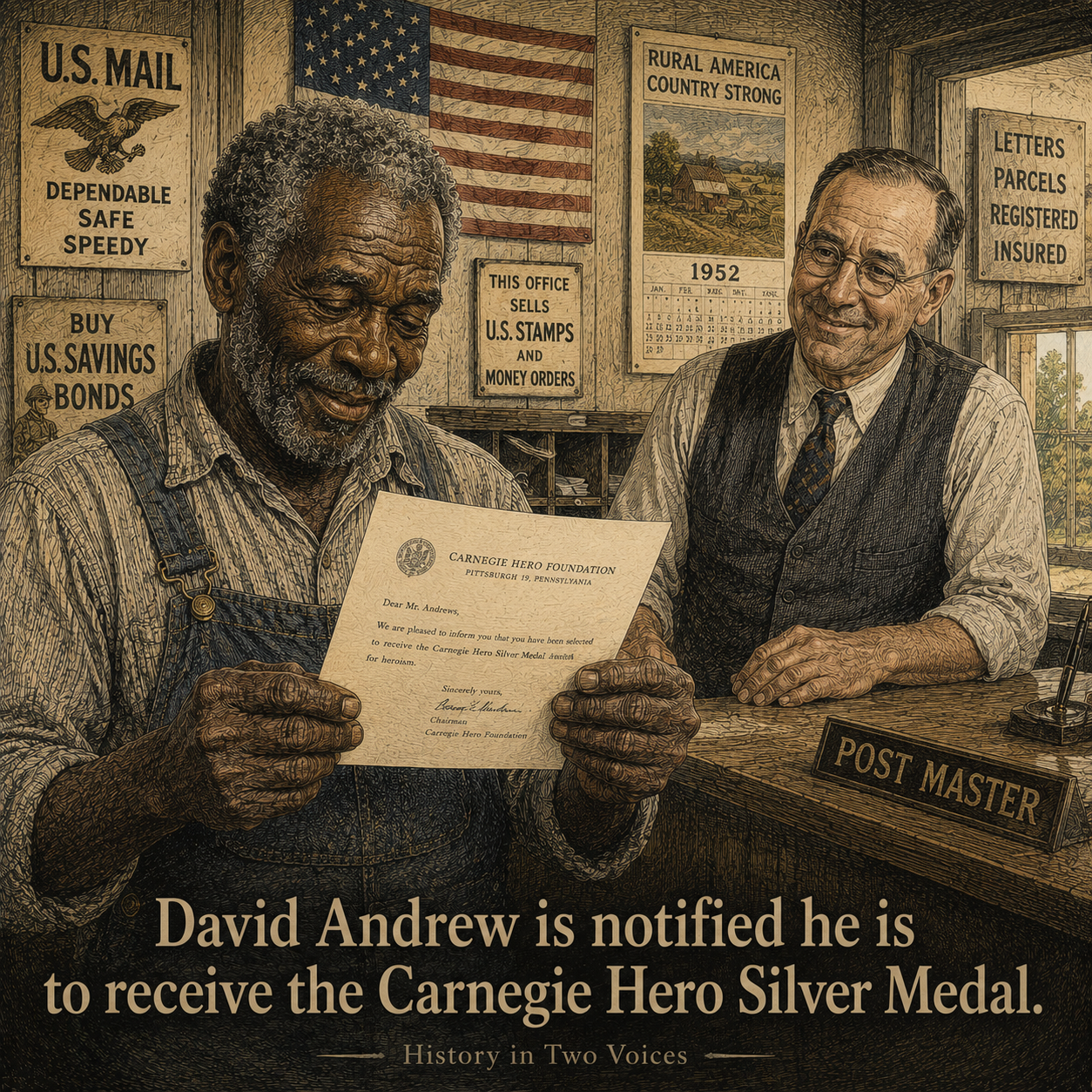
In November 1952, Andrews went to the Snow Hill Post Office and found a letter from the Carnegie Hero Foundation informing him that he had been selected to receive its Silver Medal for heroism. The award included $500, which Andrews said he used to “put a new roof” on his house.
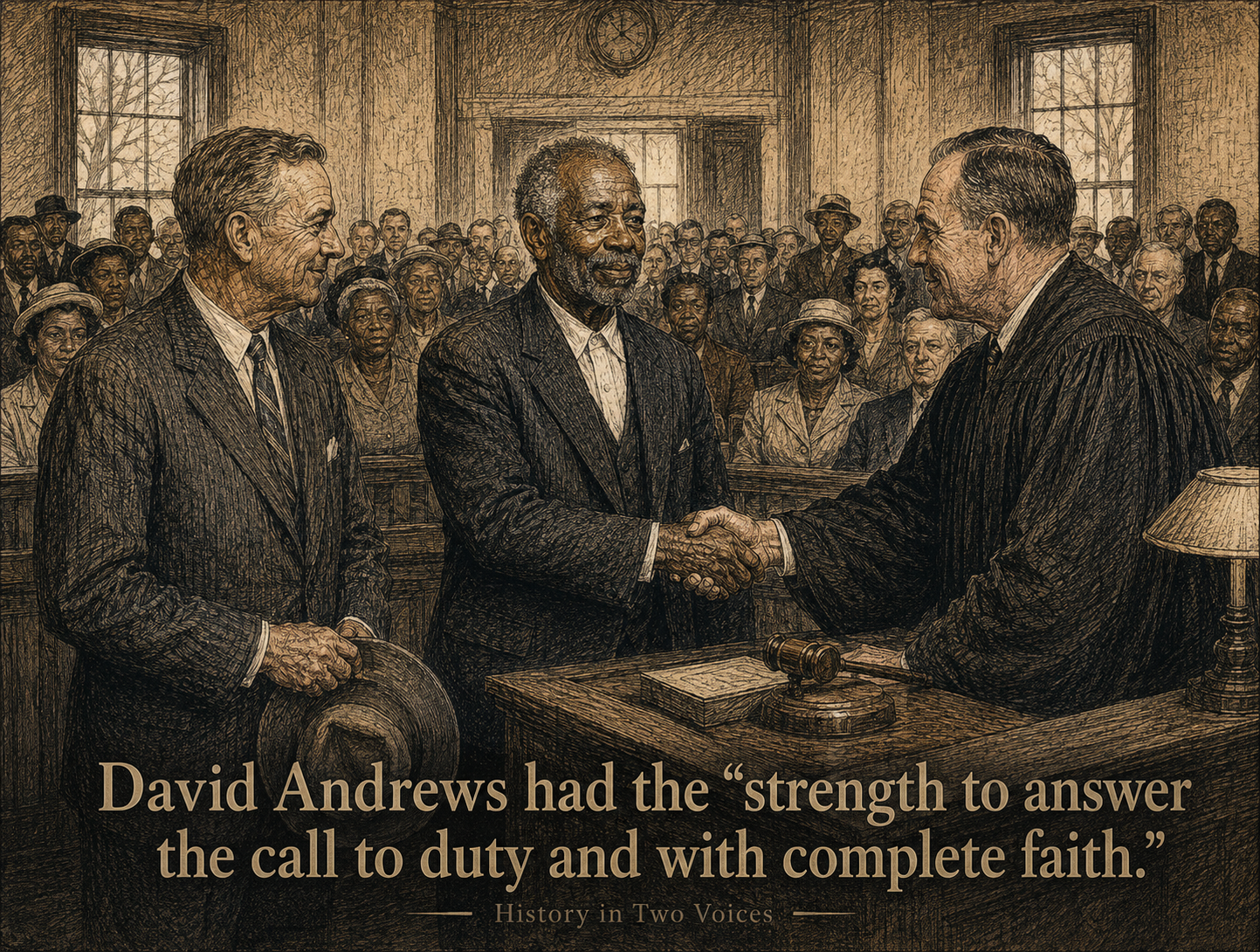
On November 25, Andrews was also commended by Wilcox County. A hush reportedly fell over the courtroom as Judge L. S. Moore declared that:
“David Andrews has earned in full measure this dignity,”
adding that Andrews had the “strength to answer the call to duty and with complete faith.”
Moore urged the citizens of Wilcox County to give Andrews the “full measure of honor” due for acts of valor and bravery.
Our Perspective
This story reveals how ordinary Americans often became extraordinary heroes far from public attention or national headlines. David Andrews was not a firefighter, police officer, or trained rescuer—he was a sixty-seven-year-old farmer who simply believed he could not walk away while another man remained buried alive beneath the earth.
The rescue also reflects the deep role that faith, duty, and community responsibility played in many mid-twentieth-century rural communities. Andrews did not describe himself as fearless or exceptional. Instead, he viewed courage as a moral obligation and credited his actions to divine guidance rather than personal glory.
Stories like this remind us that acts of heroism are often carried out by people who never expected recognition at all. Long before viral videos or twenty-four-hour news coverage, bravery frequently unfolded quietly—in farms, small towns, and isolated communities—where ordinary individuals answered the call to help another human being.
Sources
Selma Times-Journal, November 6, 1952
Selma Times-Journal, November 25, 1952
Image Citations
Slide 1 — The Rescue, 1952
Leahy, Sharon. The Rescue, 1952. Image concept and direction. AI-assisted illustration generated using digital tools, 2026. Inspired by contemporary newspaper coverage of the David Andrews well rescue in Wilcox County, Alabama.
Slide 2 — After Six Hours, the Man is Saved.
Leahy, Sharon. After Six Hours, the Man is Saved. Image concept and direction. AI-assisted illustration generated using digital tools, 2026. Inspired by accounts published in the Selma Times-Journal describing the rescue of John F. Bell by David Andrews in January 1952.
Slide 3 — David Andrew is notified he is to receive the Carnegie Hero Silver Medal.
Leahy, Sharon. David Andrew is notified he is to receive the Carnegie Hero Silver Medal. Image concept and direction. AI-assisted illustration generated using digital tools, 2026. Inspired by Selma Times-Journal, November 6, 1952, and Carnegie Hero Fund records regarding David Andrews’s Silver Medal award.
Slide 4 — David Andrews had the “strength to answer the call to duty and with complete faith.”
Leahy, Sharon. David Andrews had the “strength to answer the call to duty and with complete faith.” Image concept and direction. AI-assisted illustration generated using digital tools, 2026. Inspired by photograph and reporting in the Selma Times-Journal, November 25, 1952.